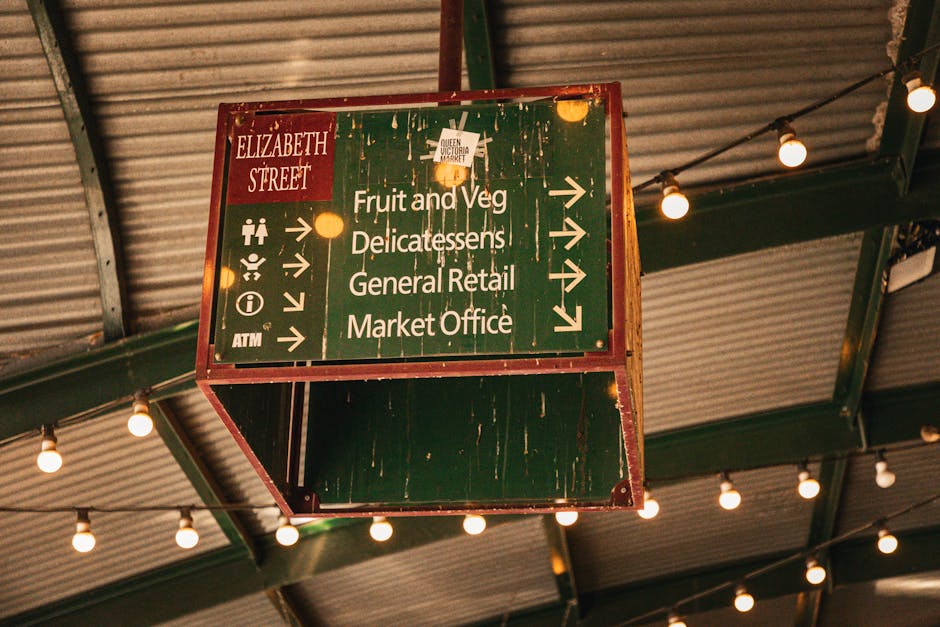
Brixton Village Removals Guide for Market Shop Moves
Moving a market shop in Brixton Village is not quite the same as moving a standard retail unit, and that's exactly why a proper Brixton Village removals guide for market shop moves matters. You're not just shifting stock from A to B. You're working around narrow lanes, trading hours, footfall, fragile displays, awkward access, and the simple reality that a busy market does not pause for your move. If you get the timing wrong, even by a little, the whole day can feel like a juggling act in the rain.
This guide breaks the process into manageable parts: what makes Brixton Village moves different, how to plan them, which risks to watch, and how to keep the business open, or at least recover quickly. Whether you're relocating a food stall, a boutique, or a specialist market counter, the aim is the same: less disruption, less stress, and a smoother reopening. Truth be told, that peace of mind is worth a lot.
Why Brixton Village removals guide for market shop moves Matters
Brixton Village is lively, characterful, and busy in the best possible way. That also means it can be unforgiving when a move is poorly planned. A market shop move needs more than a van and a few boxes. It needs a route, a loading strategy, a clear understanding of what can be dismantled, what must stay chilled or upright, and what should be moved first so the business can restart quickly.
The stakes are higher than they might seem at first. A shop that sells perishables, handmade stock, display fixtures, or specialist equipment can lose time and money very quickly if the move drifts. Customers may arrive expecting service. Traders around you may have their own schedules. And in a place where space is limited, one delayed van can ripple across the whole day. Annoying? Yes. Avoidable? Also yes.
There's another reason this guide matters: market shops often need a moving plan that respects both the commercial side and the practical side of the location. That means thinking about access, lift capacity if relevant, parking restrictions, loading windows, and whether some items should be moved before the main shift. If you have ever tried carrying a stubborn display stand through a tight doorway, you'll know why this deserves proper thought.
For owners comparing service styles, it can help to understand the wider removal landscape first. Pages like removal companies in Brixton and local removals in Brixton are useful starting points when deciding what level of help you need for a market move.
How Brixton Village removals guide for market shop moves Works
A good market shop move is usually built around phases rather than a single moving day. That's the practical way to do it, especially in a place with real-world constraints like foot traffic, delivery overlap, and limited loading space. The process normally begins with an inventory audit, followed by a move plan, packing, transport, unloading, and reset.
Here's the basic flow.
- Survey the stock and fixtures. Separate stock, equipment, signage, tills, shelving, perishables, and anything breakable.
- Check access and timing. Work out when loading is easiest and whether part of the move should happen outside trading hours.
- Assign packing priority. Daily-use items and opening essentials need to be packed last and unpacked first.
- Prepare labels and destination zones. This saves a lot of faff later when boxes arrive in bundles rather than neat rows.
- Transport in the right order. Move vital items early if the new unit needs immediate setup.
- Set up for reopening. Rebuild the counter, restore payment equipment, and place high-turnover stock where staff can reach it quickly.
In practice, the most efficient Brixton Village market shop moves are the ones that treat opening day as the finish line. That means the move is not really done when the van leaves. It's done when the till works, the shelving is stable, and the first customer can be served without a panic search for cable ties. Small detail, big difference.
If you're weighing different moving styles, the service mix on the services overview and the guidance on man with van support in Brixton can help you think through what suits a market environment best.
Key Benefits and Practical Advantages
When handled properly, a market shop move can do more than simply relocate your business. It can create a cleaner layout, better stock organisation, and a calmer opening routine. That sounds a bit idealistic, perhaps, but it's often true. A move forces decisions you may have been postponing for months.
- Less downtime: A structured move helps you reopen sooner.
- Better stock control: Packing by category makes inventory checks simpler.
- Reduced damage risk: Fixtures and fragile goods are handled with purpose, not guesswork.
- Cleaner workflow: You can rebuild the shop in a more efficient layout.
- Stronger business continuity: Staff know what happens first, second, and third.
One often overlooked benefit is morale. Staff feel steadier when the plan is clear. Instead of everyone asking, "Where's the card machine?" or "Did anyone bring the labels?", there's a bit of order. Not glamorous, but very real.
There can also be cost benefits. A move that is carefully packed and timed usually reduces the chance of breakage, emergency storage, or last-minute re-visits. If pricing is on your mind, competitive prices and pricing and quotes are worth reviewing early so you can match service level to budget without cutting corners.
| Move choice | Best for | Strengths | Watch-outs |
|---|---|---|---|
| Basic van-only move | Light stock and simple layouts | Cost-efficient, flexible | Requires strong in-house packing and coordination |
| Man and van support | Smaller shops and quick relocations | Good for short, local moves | May be less suitable for larger fixtures or complex loading |
| Full removals service | Busy shops, bulky equipment, higher-value stock | More organised and less stressful | Higher upfront cost, but often better value overall |
Who This Is For and When It Makes Sense
This guide is for anyone moving a trading space inside or around Brixton Village. That includes independent food businesses, artisan retailers, market stalls, pop-up brands, and established traders expanding into a larger unit. It also suits businesses moving between market spaces and nearby commercial premises.
It makes sense to follow a structured removals plan if any of the following apply:
- You have stock that can't sit around in loose piles.
- You need to move before a specific trading date.
- Your shop includes equipment, chillers, or fragile display items.
- Your access is tight or time-limited.
- You want to reopen fast, with minimal disruption.
Some businesses underestimate the work involved because the unit looks small. But small does not mean simple. A compact shop packed with shelves, rails, baskets, deli equipment, and branded materials can actually be harder to move than a bigger space with a clearer layout. Funny how that works.
If you're still deciding whether Brixton is the right base for your business or next phase, the local reading on whether Brixton suits residents and businesses and the broader context in Brixton's local character can be a helpful backdrop.
Step-by-Step Guidance
Below is a practical move sequence that works well for most market shop relocations. It's not the only way, of course, but it's a solid one.
1. Build a clear stock and fixture list
List everything that will move: shelving, countertop units, tills, menu boards, jars, baskets, signage, storage tubs, cooking accessories, and all stock. Then split that list into three groups: essential, replaceable, and discardable. That one exercise can save you hours.
2. Measure the old and new spaces
Measure door widths, corridor clearances, ceiling heights, and the footprint of any large items. In market settings, access can be more important than floor area. A unit may be "bigger" on paper but worse to move into because of corners, thresholds, or awkward back access.
3. Decide what to dismantle
Some fixtures should travel assembled; others should be broken down. Shelving, modular counters, and display racks often move better in parts, but only if they can be reassembled cleanly. Keep fixings in labelled bags. Put the bags in a sealed box with the item name written on it. Simple. Weirdly easy to forget.
4. Pack by opening priority
Use an unpacking order, not just a packing order. You want to know which boxes must be opened first at the new unit. For example, card machine supplies, cleaning cloths, spare bags, and a small amount of backup stock should probably be near the top of the stack, not buried under seasonal display items.
5. Coordinate timing around trading hours
Market shop moves often work best before opening, after close, or across a low-footfall window. If there's a time restriction, build backwards from it. Don't plan the move and then hope the schedule behaves itself. It won't.
6. Protect fragile and high-value items
Wrap glass, ceramics, artwork, and specialist stock carefully. For food businesses, separate anything that must remain chilled or hygienic. For delicate stock, use dividers, padding, and sturdy boxes rather than overfilling. If you need more packing support, packing and boxes in Brixton is a sensible place to look.
7. Rebuild the new shop in stages
Start with the essentials: fixtures, utilities, payment setup, and storage. Then bring in stock, then signage, then display. It's tempting to decorate first because that feels satisfying, but function comes before flourish. Always.
Expert Tips for Better Results
After enough local moves, a pattern becomes obvious: the moves that feel easiest are usually the ones where decisions were made before moving day, not on it. That is the real secret.
- Pre-label by zone, not just by item. Example: "counter stock," "back room," "opening-day essentials."
- Keep a live move sheet. A simple note listing what has gone, what remains, and where the keys are.
- Photograph the old setup. This helps rebuild shelving and displays in the new unit without guesswork.
- Set aside a crisis box. Include tape, scissors, bin bags, gloves, pens, wipes, and spare chargers.
- Move one category at a time. It keeps the load manageable and prevents missing items.
One practical tip that often gets missed: keep a tiny "first hour" box at the top of the van. That box should contain the bits you'll need before anything else is unpacked. Think till rolls, a charger, cloths, keys, and perhaps a snack. It sounds minor, but at 8:15 in the morning, minor things become major pretty quickly.
If you're comparing moving support options, the general removal guidance on removal services in Brixton and the more tailored page on man and van support can help you match service scope to the size of your shop.
Common Mistakes to Avoid
Most problems in market shop moves are predictable. That's the good news. The less good news is that the same mistakes keep happening.
- Packing without a reopening plan. If you don't know what gets unpacked first, the new shop may stay half-set for longer than expected.
- Ignoring access constraints. A van may arrive on time, but the route into the unit may still be blocked or awkward.
- Underestimating fragile stock. One broken display piece can create a chain reaction of delays.
- Leaving labelling too late. "Boxes 1 to 14" is not enough when you're trying to find receipt paper at speed.
- Forgetting staff roles. Everyone standing around waiting for instructions is a common and expensive sight.
Another easy mistake is trying to move too much at once because the schedule feels tight. Sometimes less really is more. If the day already looks squeezed, split the move into a staged process rather than trying to force everything through one narrow window. That is not failure. It's judgement.
For time-sensitive or small-footprint moves, you may also want to look at same-day removals in Brixton and a removal van in Brixton if speed and local flexibility matter more than a fully planned long lead time.
Tools, Resources and Recommendations
You don't need a mountain of kit to move a market shop well, but the right basics help. Start with the practical stuff and avoid overcomplicating it.
- Strong boxes in mixed sizes
- Bubble wrap, paper wrap, and packing tape
- Marker pens and removable labels
- Zip bags for screws and fixings
- Protective blankets or wraps for shelving and counters
- Dolly trolleys or hand trucks for heavier items
- Cleaning materials for the old and new premises
On the planning side, a spreadsheet or even a paper checklist can work fine. What matters is consistency. If your business is busy, keep the list somewhere visible and update it daily. I know that sounds obvious, but you'd be surprised how often the best plan ends up buried under invoices and a half-finished stock take.
There are also business-facing services that may matter depending on the type of shop. For example, if your shop has furniture-heavy displays or specialist items, pages such as furniture removals in Brixton and office removals in Brixton can be useful references for service style and handling expectations.
If you are moving valuable stock, it is wise to review the company's approach to insurance and safety and how secure payments are handled through payment and security. It helps to know where the guardrails are before the move starts.
Law, Compliance, Standards, or Best Practice
Market shop removals can touch on several practical obligations, even when no single "market move law" applies. The exact requirements depend on your trading setup, landlord arrangements, lease terms, and whether you handle food, fragile goods, or specialist equipment. So it's worth treating compliance as a moving task, not something separate.
At a minimum, you should think about:
- Access permissions: Make sure loading, unloading, and temporary access are agreed in advance where needed.
- Health and safety: Reduce manual handling risks and plan safe lifting for staff and movers.
- Waste disposal: Decide what is moving, what is being recycled, and what must be removed responsibly.
- Food or stock hygiene: If applicable, keep clean items separate from dirty packaging and building dust.
- Insurance cover: Check that transit and handling arrangements are suitable for your goods.
Good practice also means keeping records. Photograph fragile items before they move, keep an inventory of high-value stock, and record any pre-existing damage before loading. That may feel a bit formal for a small shop, but it's genuinely useful if questions arise later.
For a broader view of company standards and responsibilities, the pages on health and safety policy, recycling and sustainability, and terms and conditions can help set expectations. If you want to understand the business behind the service a little better, about us is also useful for background.
Options, Methods, or Comparison Table
Choosing the right move method is mostly about scale, complexity, and how quickly you need the shop back up and running. Here's a simple comparison.
| Method | Typical use case | Pros | Cons |
|---|---|---|---|
| DIY move with rented transport | Very small stock load, low-value items | Lower cash outlay, full control | High workload, more risk, slower setup |
| Man and van | Compact shop moves, local transfers | Flexible, usually quicker to arrange | Less support for complex dismantling or heavy loads |
| Full removal service | Busy market shops, fragile stock, equipment | More hands, more organisation, less stress | Higher price, but often better value in practice |
There's no universal best option. A small retail stall with a few racks may be fine with a lighter solution, while a food trader with chillers and a fitted counter probably needs something more structured. That's the real answer, even if it's not the neatest one.
If your move is part of a broader relocation plan, the following may also help: man with a van in Brixton for smaller jobs, man and a van in Brixton for flexible local shifts, and man and van in Brixton when you want a straightforward commercial move with a human touch.
Case Study or Real-World Example
Let's imagine a small market trader selling packaged deli goods and dry stock. The trader is moving from one Brixton Village unit to another nearby space with better storage and a slightly wider frontage. The move sounds simple. It isn't exactly.
The first issue is inventory. The trader has shelves of jars, cartons, branded bags, display baskets, a till setup, and several fragile signs. The second issue is time. The shop cannot be closed for long because weekday trade matters. The third issue is access: the new unit is only easy to reach during a short loading window in the morning.
So the trader splits the move into two stages. The day before, they pack non-urgent stock, signs, and back-room items. They leave a small front-of-house setup for the final close. On moving day, the first van load contains the counter equipment, labels, till accessories, and opening-day essentials. The second load carries shelving and the remaining stock. The new shop is then set up in this order: counter, storage, signage, then display.
The result? Less chaos, fewer missing items, and a quicker reopening. There were still hiccups, of course - one box had too many loose items rattling around like a tiny percussion section - but the structure kept everything moving. That's the point. A good plan does not remove every problem. It just stops the small ones becoming a mess.
Practical Checklist
Use this checklist in the final week before the move.
- Confirm the move date and timing window
- Check access, parking, and loading arrangements
- Measure large fixtures and doorways
- Sort stock into essential, move-now, and discard categories
- Label every box with category and destination zone
- Pack fragile items separately with padding
- Keep screws, brackets, and fixings in labelled bags
- Set aside a first-hour essentials box
- Back up any digital records or pricing files
- Photograph the old setup for reference
- Prepare cleaning supplies for both premises
- Review insurance and handling arrangements
- Brief staff on who does what on the day
- Plan the reopening sequence before the last box is loaded
Keep this list visible. Put it on the wall, in the back office, or on the counter if needed. Anywhere people will actually look at it.
If storage is part of the picture, even briefly, the option of storage may be relevant, though you should only use it if the exact service details suit your timeline and setup.
Get a free quote today and see how much you can save.
Conclusion
A Brixton Village market shop move works best when it is treated like a business transition, not just a transport job. That means planning around access, packing with purpose, understanding compliance, and choosing the right support for the scale of the job. It also means being realistic about the space, the timing, and the amount of effort required. Little moves can still be complicated, and that's fine.
The shops that reopen best are usually the ones where someone took the time to think two steps ahead. Not every box, not every cable, not every label will go perfectly. But with a calm plan, the right support, and a clear reopening sequence, the move becomes manageable. Even, dare I say, a bit satisfying once the shelves are back up and the first customer walks through the door.
And if the day feels a little too full, remember this: steady beats rushed. Every time.
Frequently Asked Questions
What is the best way to move a Brixton Village market shop?
The best way is usually a staged move with clear packing priorities, tight timing, and support that matches the size and complexity of your stock and fixtures. For small moves, a flexible van service may be enough; for larger or fragile setups, a fuller removals service is often safer.
How far in advance should I plan a market shop move?
As early as possible. Even a small shop benefits from advance planning because access, stock checks, and packing can take longer than expected. A few weeks is ideal if you can manage it, though local and time-sensitive moves can still be organised faster when needed.
Can I move a shop in Brixton Village outside trading hours?
Often yes, and in many cases that is the most practical option. The exact timing depends on your space, permissions, and access arrangements. Moving outside trading hours usually reduces disruption and makes loading safer.
What should be packed first for a market shop move?
Pack non-urgent stock, back-room items, and spare equipment first. Essential opening-day items should be packed last so they are easy to find and unpack early at the new site. A labelled first-hour box is very useful.
Do market shop moves need special handling for fragile stock?
Yes. Fragile stock should be wrapped, boxed properly, and kept separate from heavier goods. Display items, glass, ceramics, and branded signage are often the first things to suffer if they are packed loosely.
How do I reduce downtime during a shop relocation?
Plan the order of unpacking before the move begins, separate essential items, and set up the new unit in stages. A good team will focus on the counter, payment setup, and stock needed for opening before anything decorative.
Is a man and van service enough for a small market shop move?
Sometimes yes. If the move is compact, local, and not too complex, a smaller service may be appropriate. But if you have bulky fixtures, higher-value stock, or a tight reopening schedule, more support is usually worth it.
What are the main risks in Brixton Village removals?
The main risks are poor access planning, damaged stock, missing fixtures, and longer-than-expected downtime. In busy market surroundings, timing and organisation matter as much as physical lifting.
Should I store anything before moving into the new unit?
Only if there is a genuine gap between leaving one unit and opening the next. Short-term storage can help with phased moves, but it adds another handling step, so it should be used carefully and only when it really helps.
What documents or records should I keep during the move?
Keep an inventory of stock and fixtures, photographs of valuable items, any relevant access notes, and your move plan. If there is any damage or a disputed item later, those records are extremely useful.
How do I choose between different removal services?
Start with the size of the job, then look at complexity, timing, and risk. Smaller shifts may suit a lighter service, while larger market shop relocations often benefit from a more complete removals setup. Reviewing removal companies in Brixton and removal services in Brixton can make the comparison easier.
What is the biggest mistake shop owners make when moving?
Probably assuming the move is smaller than it really is. A compact market shop can hide a surprising amount of stock, equipment, and fixed fittings. The second biggest mistake is not planning the reopening sequence before the first item is lifted.