Brixton Station removals tips for timed moves
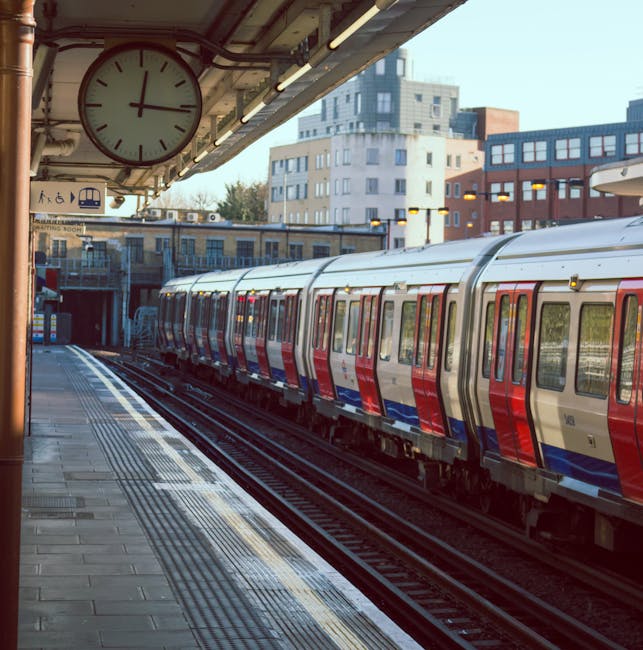
Moving on a tight schedule near Brixton Station can feel like trying to board a train while carrying a sofa. There's the traffic, the footfall, the narrow streets, and the awkward moment when everything seems to happen at once. That is exactly why Brixton Station removals tips for timed moves matter: they help you keep control when the clock is doing its best to make things messy.
Whether you are leaving a flat, relocating a small office, or coordinating a same-day handover, timed moves need a calm plan, a realistic loading order, and a removal team that understands local movement patterns. In this guide, you'll find practical advice that works in the real world, not just on paper. We'll cover what timed moves actually involve, how to plan them properly, common mistakes to avoid, and the best ways to keep everything moving without unnecessary stress.
For readers who want a broader overview of moving support, you may also find the wider removals service useful, especially if your move needs a more flexible setup. And if your move is small or short-distance, the man and van option can be a practical fit. Simple. Sometimes the best move is the one that stays small and well-timed.
Why Brixton Station removals tips for timed moves Matters
Timed moves are not just about speed. They are about sequencing. Near Brixton Station, that matters even more because the area can become busy very quickly, especially around peak travel times, school runs, and the everyday flow of buses, taxis, deliveries, and pedestrians. If a lift is booked, a parking bay is limited, or a property checkout must happen by a set time, one late box can create a chain reaction. Not ideal.
In practice, the biggest problem is rarely the actual lifting. It is delay. Delay at the front door. Delay on the staircase. Delay because someone forgot to clear a hallway. Delay because the van had to circle once more. A timed move reduces those risks by forcing decisions to happen earlier: what goes first, what can wait, what needs wrapping, and what needs to stay accessible until the very end.
This also affects trust. If you are moving out of a rental, handing over keys, or meeting a building manager at a fixed time, punctuality becomes part of the job. A good plan is not just convenient; it protects your schedule, your deposit, and your sanity. Truth be told, the less room there is for improvisation, the more valuable good planning becomes.
How Brixton Station removals tips for timed moves Works
A timed move works by building the move around a clear deadline rather than treating the deadline as one factor among many. Start with the fixed point: perhaps the keys must be handed over at 2 p.m., the office lift is only available from 9 a.m. to 11 a.m., or the landlord wants access back by a certain time. Everything else is reverse-engineered from there.
The process usually has four layers:
- Planning layer: decide what must happen before the move day, on the move day, and after arrival.
- Load order layer: identify what should be loaded first, what must stay last, and what needs special handling.
- Access layer: confirm stairs, lifts, parking, permits, and building rules before the team arrives.
- Contingency layer: build in a cushion for traffic, weather, lift delays, or last-minute access issues.
That cushion is often what saves the day. Even a well-run move can be knocked off course by something small: a neighbour parking awkwardly, a missing fob, or a box that was labelled "misc" and turned out to contain half the kitchen. We've all seen it. A little chaos is normal; the aim is to keep it contained.
If your move involves an entire house or a larger inventory, it can be helpful to look at house removals or, for smaller properties, flat removals. Those service types often require slightly different timing and access planning. A top-floor flat near Brixton Station, for example, is a different puzzle from a ground-floor family home.
Key Benefits and Practical Advantages
There are several good reasons to choose a timed approach, especially in a busy London setting.
- Less stress on the day: when everyone knows the sequence, there is less guesswork and fewer awkward pauses.
- Better use of access windows: timed moves help you work around lift bookings, parking restrictions, and building management rules.
- Cleaner handovers: if you need to vacate a property by a set time, a structured schedule helps avoid overruns.
- Reduced risk of damage: rushed moving is usually clumsy moving. A plan keeps the pace steady rather than frantic.
- More efficient staffing: the right number of movers and the right vehicle size can make a huge difference.
There is also a quiet benefit that people often underestimate: energy management. A move that drags on all day can exhaust everyone, and tired people make slower decisions. Timed moves, when done properly, keep momentum high. Not rushed. Just focused.
For storage overflow, delayed completion, or a two-stage handover, a nearby storage option can be surprisingly helpful. It gives you breathing space if the timing between properties is tight, which happens more often than people expect.
Who This Is For and When It Makes Sense
Timed removals are not only for large-scale home moves. They are often the smartest choice for people with a hard deadline and limited access time. That includes:
- tenants handing back keys by midday or early afternoon
- students moving between terms or between rooms on a fixed schedule
- flat residents dealing with lift bookings or shared entrance rules
- small offices relocating outside business hours
- people using a short parking window near busy streets
- anyone booking a same-day handover or chained move
If your move is light and you only have a few large items, a more compact setup such as removal van or man with van support may be enough. If you are moving an entire family home, a larger moving truck may be more efficient, because fewer trips usually means less chance of missing a deadline. Common sense, really.
Students, in particular, often need quick turnarounds between leases or halls. If that sounds familiar, student removals can be a useful match when timings are tight and flexibility matters more than anything else.
Step-by-Step Guidance
Here is a practical way to organise a timed move near Brixton Station without overcomplicating it.
- Set the deadline first. Write down the exact time you must be out, not a vague "around lunchtime" estimate.
- Check access details. Confirm whether there is a lift, whether stairs are narrow, and whether parking will be restricted.
- Count your load honestly. Be realistic about how many boxes, bags, wardrobes, and awkward items you actually have.
- Split items into priority groups. Essentials, fragile items, heavy furniture, and non-urgent extras should not all be treated the same.
- Label everything clearly. A box marked "kitchen" is useful; a box marked "random stuff" is not helping anyone.
- Pre-pack the night before. Leave only the absolute minimum for the morning of the move.
- Keep a single essentials bag. Put chargers, documents, keys, medication, snacks, and toiletries in one place.
- Confirm the arrival time with the mover. Build in a sensible buffer for Brixton traffic and local delays.
- Load in the right order. Heaviest items first, essentials last, fragile items secured separately.
- Do a final walkthrough. Check cupboards, lofts, under beds, behind doors, and inside the fridge if needed.
That final walkthrough sounds basic, but it catches more mistakes than you'd think. A stray phone charger or an unopened envelope can cause annoying backtracking later. And nobody wants to go back for the kettle after the keys are already handed over. Nobody.
If packing is slowing everything down, using packing and boxes support can save time before the move day even starts. For people who want the process taken further, packing and unpacking services can remove a huge amount of pressure.
Expert Tips for Better Results
Experience shows that timed moves go best when you treat them like a sequence of small jobs, not one giant task.
- Start with the bottleneck. If the lift is tiny or the stairs are awkward, plan for that first. Not after the van arrives.
- Reserve the quietest part of the day if possible. Early starts often work best because access is easier and everyone is fresher.
- Keep furniture partly dismantled. Beds, tables, and shelving often move faster in pieces.
- Protect floors and corners. A cheap bit of preparation can prevent expensive irritation.
- Use colour coding for rooms. It speeds up unloading and helps when several people are unpacking at once.
- Have one person in charge. Too many voices create hesitation, and hesitation eats time.
A small but useful tip: keep drinks and snacks somewhere accessible but separate from the main load. Around midday, people get distracted, and a five-minute break can become a fifteen-minute drift if you are not careful. That said, breaks are still good. Just keep them intentional.
If you are moving a specialist item, like an upright instrument or anything unusually delicate, a dedicated piano removals service may be the safer choice. Heavy or fragile items are exactly where timed moves can go wrong if they are treated like ordinary boxes.
Common Mistakes to Avoid
The most common timing mistakes are usually simple, which is annoying because they are so avoidable.
- Underestimating packing time. People often budget for boxes, then forget the label, wrap, and carry time.
- Ignoring building access rules. A lift slot or loading bay restriction can change the whole schedule.
- Booking the wrong vehicle size. Too small means extra trips. Too large can mean parking headaches. Neither is ideal.
- Leaving essentials loose. Documents, phone chargers, and medication should not be scattered across different bags.
- Starting late because of optimism. Let's face it, almost everyone does this once.
- Not planning for traffic. Brixton can be perfectly manageable one minute and a bit of a crawl the next.
Another overlooked mistake is overpacking boxes. Heavy boxes slow everything down because they are harder to move, harder to stack, and more likely to split at the worst moment. Keep them manageable. Your back will thank you, and so will the movers.
Tools, Resources and Recommendations
You do not need a mountain of equipment to make a timed move work. You need the right basics, used well.
- Strong boxes: use consistent sizes where possible so stacking is easier in the van.
- Marker pens and labels: label by room and priority, not just by contents.
- Protective wrap and tape: especially useful for glass, framed items, and awkward surfaces.
- Simple floor protection: worthwhile in tight hallways and shared entrances.
- A written move plan: one page is often enough if it is clear and accurate.
- Phone alarms: useful for deadline reminders, lift slots, and departure checks.
When choosing moving support, it helps to match the job to the service rather than choosing based on habit. For business relocations, commercial moves or office removals may be more suitable than a standard domestic move. For smaller jobs where speed matters more than scale, a man with a van arrangement can be more efficient.
If you want to understand pricing structure before committing, the pricing and quotes page is a sensible place to start. It helps you compare the practical cost of speed, staffing, and vehicle choice without guessing. And honestly, guessing is where budgets start to wobble.
Law, Compliance, Standards, or Best Practice
For timed removals in the Brixton area, the key compliance concerns are usually practical rather than dramatic: parking, access, safety, and contractual timing. If you are moving from a managed building, your lease, building rules, or property management instructions may set limits on lift use, loading times, or item handling. Those terms matter. Read them before the move, not after.
On the safety side, reputable moving work should follow sensible manual handling practice, careful loading, and appropriate vehicle security. That includes not overloading staff, not blocking fire exits, and not carrying items in ways that create avoidable risk. A well-run move should also respect the terms of service and any agreed collection or delivery window.
If you are booking professional help, it is reasonable to ask about safety and insurance arrangements. A clear explanation is a good sign. The same goes for payment handling and terms. For peace of mind, it can be helpful to review the company's insurance and safety information, along with the health and safety policy and terms and conditions. That is not overkill; it is just sensible due diligence.
If sustainability matters to you, ask how unwanted items are handled. A move is often the moment people realise they no longer need a third of what they own. It happens. In those cases, recycling and sustainability information can help you make a better choice for the items that should not simply be dumped into the nearest pile.
Options, Methods, or Comparison Table
Different timed moves need different setups. Choosing the wrong method usually creates avoidable friction, especially when access is limited.
| Move type | Best for | Strength | Watch-outs |
|---|---|---|---|
| Man and van | Small flats, quick loads, short distances | Flexible and usually fast to organise | Can require more trips if volume is underestimated |
| Removal van | Medium household moves, furniture plus boxes | Good balance of capacity and manoeuvrability | Parking and access still need attention |
| Moving truck | Larger homes, more furniture, fewer trips | More efficient for higher volumes | Can be harder around narrow streets and tight loading points |
| Same-day removals | Urgent handovers and last-minute changes | Useful when timing is tight and plans shift | Less margin for error, so preparation matters more |
If you are genuinely racing the clock, same-day removals may be the right support option. Just remember that same-day work still needs structure. Urgency does not remove the need for labels, access details, or a clear loading order. In fact, it makes those things more important.
Case Study or Real-World Example
Picture a one-bedroom flat a short walk from Brixton Station. The tenant has a key handback at 1 p.m., the building lift is booked for 9:30 a.m. to 10:15 a.m., and the street outside gets busy quickly after that. The move includes a bed frame, a small sofa, six boxes of books, kitchen items, a TV, and a few awkward bits of home office kit.
The successful approach is not to load everything in the order it was packed. Instead, the team starts with the bulky furniture while the lift window is open, then moves the labelled boxes in room order, and keeps one essentials bag separate for the final carry. The tenant has already cleared hallways, packed the wardrobe the night before, and placed keys, documents, and chargers in one small bag. By late morning, the van is loaded, the flat is checked, and the handover happens with enough time to spare for one last look under the bed. Very ordinary. Very effective.
What made the difference? Not speed alone. Preparation, access planning, and a realistic schedule. The move did not feel rushed because the time pressure had been handled before anyone lifted a box. That is the real trick, if you want to call it a trick.
Practical Checklist
Use this checklist before a timed move near Brixton Station.
- Confirm the exact handover or arrival time.
- Check lift access, stairs, and building restrictions.
- Reserve parking or loading space if needed.
- Pack and label boxes by room and priority.
- Separate fragile items from general boxes.
- Disassemble furniture where practical.
- Prepare an essentials bag for the first 24 hours.
- Keep documents, keys, and chargers together.
- Tell movers about awkward items in advance.
- Build in a time buffer for traffic and access delays.
- Do a final walkthrough before leaving.
- Have payment and contact details ready.
Expert summary: the best timed moves are not the fastest-looking ones; they are the ones that stay calm under pressure, because the load order, access details, and backup plan were all sorted early.
Get a free quote today and see how much you can save.
Conclusion
Brixton Station removals tips for timed moves are really about staying one step ahead of the clock. If you know your deadline, understand your access, pack with purpose, and choose the right vehicle or service level, the whole day becomes much easier to manage. The move may still be busy. It may still have a few tiny hiccups. But it will feel controlled, which is what most people want more than anything else.
Keep the process simple, keep the essentials close, and do not leave the final details until the morning of the move. A little preparation goes a long way, especially in a place where the streets, stairs, and schedules can all compete for attention at once.
And once the last box is in, the door shuts, and the noise drops away, there is always that lovely moment when the day finally exhales. That part never gets old.
Frequently Asked Questions
What is the main advantage of a timed move near Brixton Station?
The biggest advantage is control. A timed move helps you work to a fixed deadline, reduce wasted time, and avoid last-minute panic when access windows or handover times are tight.
How early should I start preparing for a timed removal?
Ideally, you should start a few days in advance for sorting and packing, then complete the most important packing the night before. For larger homes or busy handovers, earlier is better.
Is a man and van service suitable for timed moves?
Yes, if the move is relatively small or short-distance. A man and van setup can work well for flats, student moves, and light loads where flexibility matters.
What if my building has a lift booking or loading restriction?
Tell the removal team as soon as possible. Lift slots, parking limits, and access rules should shape the plan, not be discovered halfway through the day.
How do I avoid running over my move-out deadline?
Pack in advance, label clearly, keep essentials separate, and build a buffer into the schedule. Also, make sure furniture is dismantled where practical before moving day.
Can same-day removals still be organised properly?
Yes, but the planning window is smaller. Same-day work depends on quick decisions, accurate load estimates, and clear access information. Without that, things get messy fast.
What should I do with items I do not want to keep?
Separate them before moving day so they do not slow the job down. If you need to store items temporarily or dispose of them more responsibly, it is worth checking storage or sustainability options.
Do timed moves cost more than standard removals?
Not always, but they can if they require extra staffing, tighter scheduling, or specialist vehicle choices. The final cost usually depends on volume, access, and urgency.
How do I know whether I need a removal van or a moving truck?
If the load is moderate and access is tight, a removal van may be enough. If you are moving a larger property or want to minimise trips, a moving truck may be the better fit.
What are the biggest mistakes people make with timed moves?
The most common mistakes are underestimating packing time, ignoring access rules, booking the wrong vehicle size, and leaving the essentials to the last minute. Those small errors can snowball quickly.
Should I read the moving company's policies before booking?
Yes. It is sensible to review insurance, safety, terms, and payment information so you know what is covered and what to expect. A clear policy set is usually a good sign.
What is the best way to stay calm on moving day?
Keep one person in charge, keep your essentials bag with you, and focus on the next small task rather than the whole day. That simple approach makes a surprising difference, honestly.